


Essential Guide to Website Design Basics and Key Tips for Successful Projects
- aam19847
- Nov 27, 2025
- 3 min read
Designing a website can feel overwhelming, especially when it’s for another company. The process involves more than just making a site look good. It requires careful planning, understanding the audience, and knowing where to start. This guide breaks down the basics of website design, offers practical tips for planning projects, and explains why market research plays a crucial role in creating effective websites.

Where to Start When Designing a Website
Starting a website design project without a clear plan can lead to wasted time and missed goals. The first step is to define the purpose of the website. Ask questions like:
What does the company want to achieve with this site?
Who is the target audience?
What actions should visitors take (buy, sign up, learn)?
Once the goals are clear, gather inspiration and examples of websites that fit the style or function desired. This helps set expectations and provides a visual direction.
Next, create a site map. This is a simple outline of the pages the website will have and how they connect. For example, a company might need a homepage, about page, product pages, blog, and contact page. Mapping these out early helps organize content and navigation.
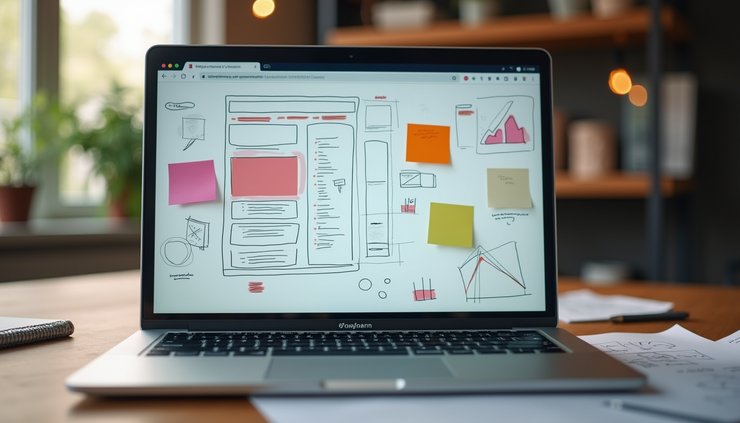
After the site map, move to wireframing. Wireframes are basic sketches or digital layouts showing where text, images, buttons, and menus will go. They focus on structure, not design details like colors or fonts. Wireframes help everyone involved understand the layout before investing time in detailed design.
Key Tips on Planning a Website for Another Company
Designing for someone else means balancing your expertise with their vision. Here are some tips to keep projects on track:
Communicate clearly and often. Regular check-ins prevent misunderstandings and keep the project aligned with client expectations.
Understand the brand personality. The website should reflect the company’s identity. Ask about preferred colors, tone, and style.
Plan for scalability. The website should be easy to update or expand as the company grows. Avoid overly complex designs that are hard to maintain.
Focus on user experience. Make navigation simple and intuitive. Visitors should find what they need quickly without confusion.
Set realistic timelines. Agree on deadlines that allow for feedback and revisions without rushing the process.
Using project management tools or shared documents can help track progress and keep everyone on the same page.
The Importance of Market Research in Web Design
Market research is often overlooked but is essential for designing websites that truly work. It involves gathering information about the target audience, competitors, and industry trends. Here’s why it matters:
Know your audience’s needs. Research reveals what users expect from the website, their preferences, and pain points. For example, if the audience is mostly mobile users, the design must prioritize mobile responsiveness.
Understand competitors. Analyzing competitor websites shows what works and what doesn’t. It helps identify gaps or opportunities to stand out.
Inform content and features. Research guides what content to include and which features will add value. For instance, a company selling products might benefit from customer reviews or detailed product filters.
Improve marketing efforts. A website aligned with market insights supports better search engine rankings and attracts the right visitors.
Market research can include surveys, interviews, analytics data, and competitor analysis tools. The insights gained lead to smarter design decisions and a stronger final product.

Final Thoughts on Website Design
Starting with clear goals, planning carefully, and using market research are the foundation of successful website design projects. When designing for another company, communication and understanding their brand are just as important as technical skills. Remember, a website is not just a digital brochure but a tool to connect with users and support business goals.
If you are about to design a website, take time to research your audience and competitors. Sketch out your ideas before moving to detailed design. Keep the user experience simple and the site easy to update. These steps will help you build websites that look good, work well, and deliver results.



Comments